


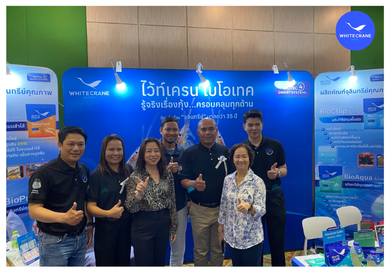
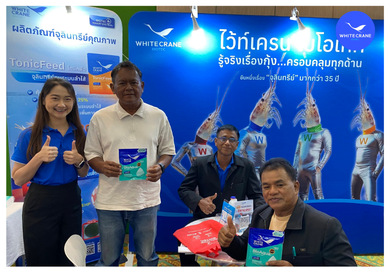
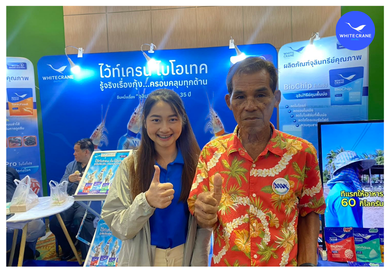
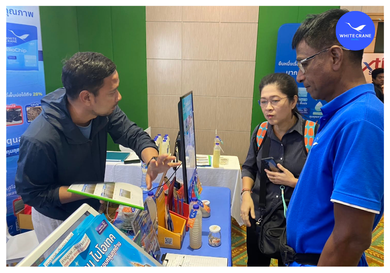


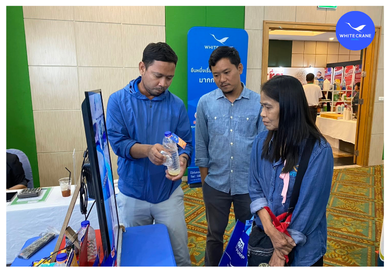
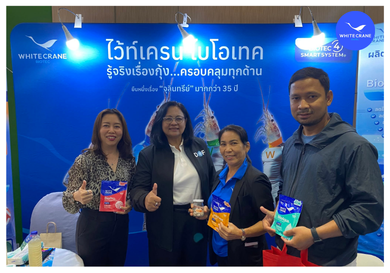
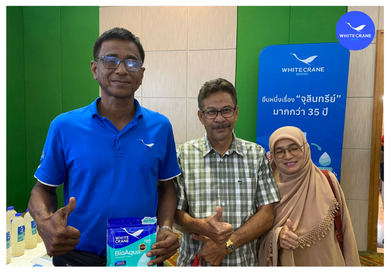
The 12th Technical Seminar: “Thai Shrimp: Farmable, Marketable, and Profitable” Highlights the Direction of Southern Thailand’s Shrimp Industry in 2026
Under the theme “Thai Shrimp: Farmable, Marketable, Profitable”
The seminar highlighted key directions for the Southern Thailand shrimp industry in 2026, focusing on how farmers can adapt to achieve sustainable and profitable shrimp farming amid challenges such as climate variability, disease outbreaks, and rising production costs.
Key priorities include strengthening biosecurity systems, improving water quality management to prevent White Feces Disease and EHP, reducing energy costs through technologies such as solar power and energy-saving aerator motors, and developing large-sized whiteleg shrimp and high-quality black tiger shrimp to meet international market demand.
The seminar also emphasized that long-term sustainability depends on collective water and environmental management within local communities. Collaboration among academics, government agencies, cooperatives, and farmers remains a key driving force in maintaining the competitiveness of Thai shrimp in the global market.


